
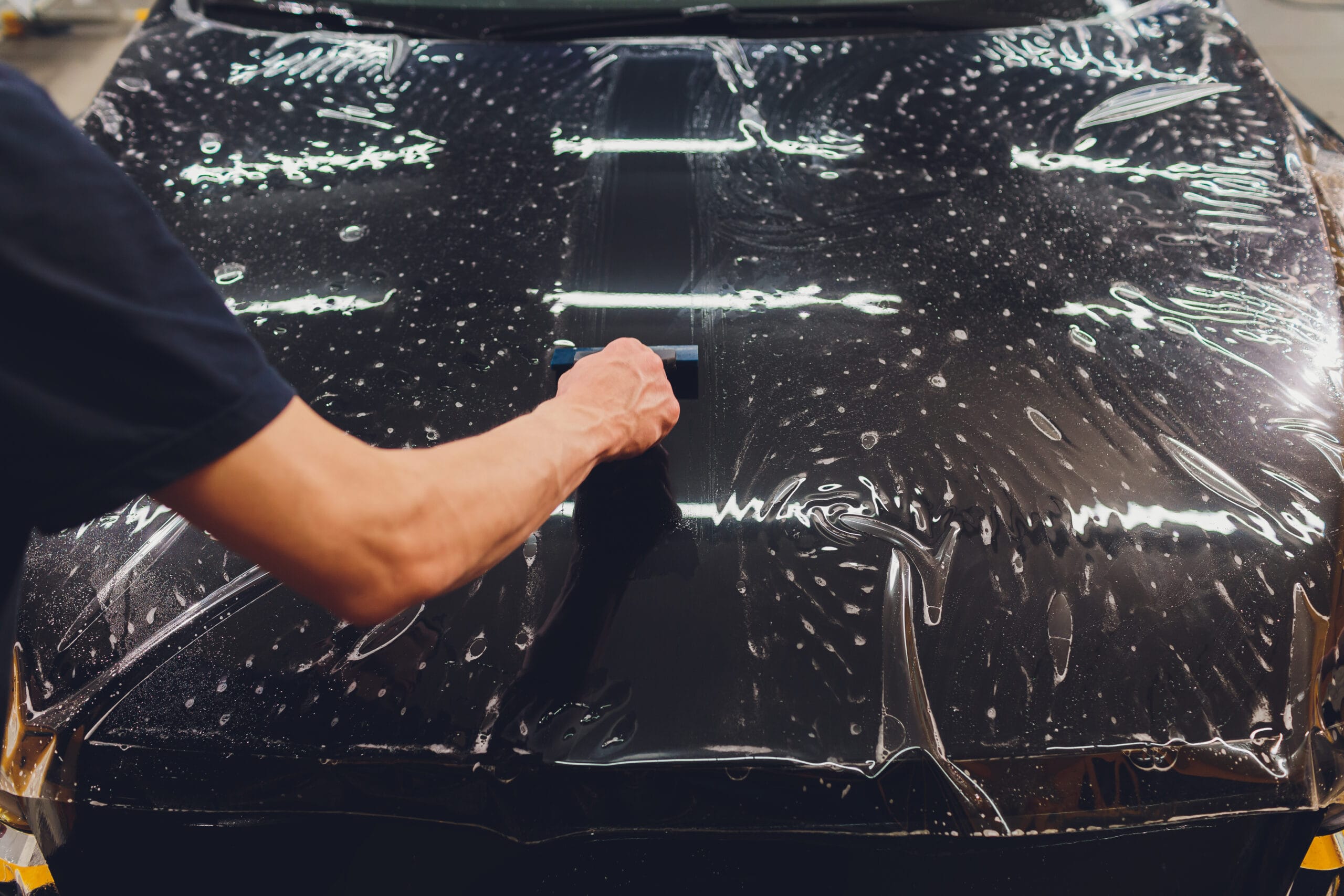
Your car just got wrapped in a glossy layer of superhero armor. The paint looks flawless, the shine is unreal, and suddenly every parking spot feels too risky. Installing Paint Protection Film is one of the smartest upgrades for any vehicle owner who wants to preserve showroom-fresh paint. But here’s the funny part — many car owners spend a premium on protection and then unknowingly ruin its effectiveness within weeks.
Yes, the irony is painfully real.
The truth is, most people assume PPF is completely maintenance-free. While modern films are incredibly durable, they still need proper attention. Ignoring basic care can lead to lifting edges, staining, reduced clarity, and premature wear. That’s exactly why understanding the biggest mistakes after installing PPF matters more than most people think.
In this guide, we’re breaking down the top seven mistakes car owners make after getting PPF installed, along with smarter ways to avoid them. Whether you just got your film installed or you’re planning to invest in one soon, this blog will help you keep your vehicle looking ridiculously good for years.
00Before We BeginWhy Proper PPF Care Actually Matters
Before we jump into the list, let’s clear up one common misconception. Paint Protection Film is tough, but it is not invincible. Think of it like expensive sneakers — they can handle wear, but if you drag them through mud daily and never clean them, things go downhill quickly.
PPF is designed to absorb minor scratches, resist stone chips, and shield the paint from UV rays, bird droppings, and road grime. But improper habits can reduce the life and performance of the film dramatically. Following proper paint protection film care routines not only protects your investment but also keeps your car looking glossy and premium every single day.
01Mistake 1Washing the Car Too Soon
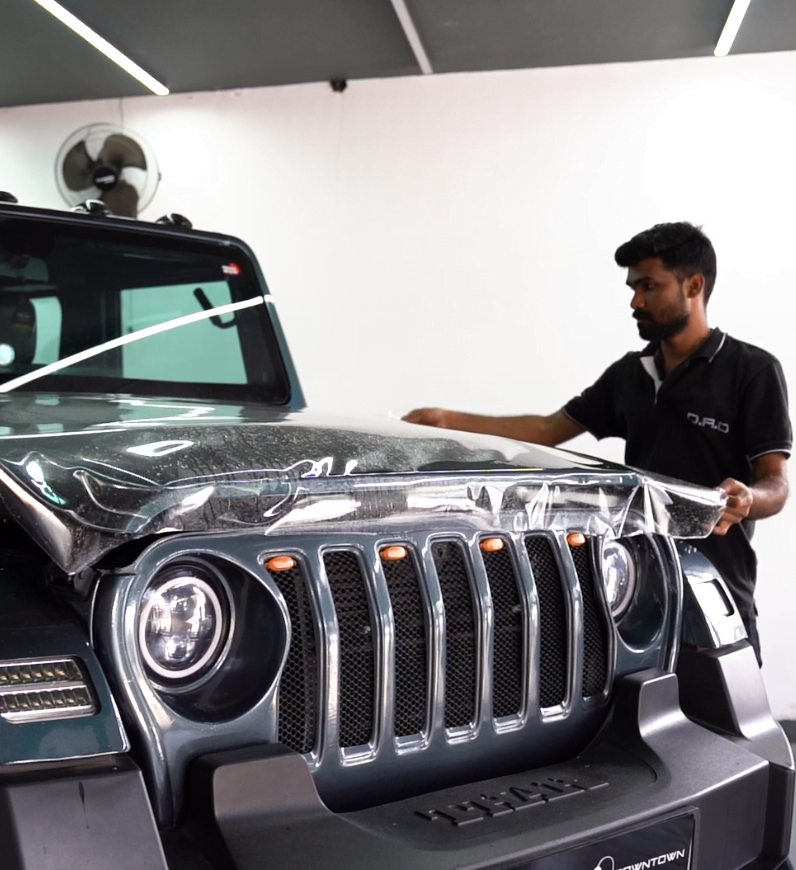
One of the most common mistakes after installing PPF is washing the vehicle too early. Freshly installed film needs time to cure and bond properly with the paint surface. Rushing into a wash within the first few days can interfere with the adhesive and cause lifting or bubbling.
Most professional installers recommend waiting at least 5 to 7 days before the first wash. During this curing period, the adhesive settles fully and moisture trapped underneath evaporates naturally.
What Happens If You Wash Too Early?
- Edges may peel and lift from the surface
- Water can seep under the film before full adhesion
- Overall adhesion weakens permanently
- Tiny bubbles may appear beneath the film
- Let the film cure fully — wait 5 to 7 days before the first wash
- If the car gets dusty, gently wipe with a clean microfiber cloth only
- Avoid high-pressure water or aggressive cleaning products during curing
Patience here saves you from expensive corrections later. This is one of the simplest yet most ignored PPF maintenance tips.
02Mistake 2Using Harsh Cleaning Chemicals
Many people assume any car shampoo will do the job. Unfortunately, strong detergents and harsh chemicals are terrible for paint protection film care. Some cleaning products contain abrasive ingredients or high acidity levels that can damage the top coating of the film. Over time, this reduces gloss and clarity.
Chemicals That Can Harm PPF
- Strong degreasers and solvent-based cleaners
- Petroleum-based cleaners
- Acidic wheel cleaners sprayed near film edges
- Household detergents not designed for automotive use
- Cheap automatic wash soaps with high chemical content
- Use pH-neutral car shampoos specifically designed for PPF or ceramic-coated vehicles
- Check product labels for PPF compatibility before purchasing
- When in doubt, ask your detailing studio for recommended products
Using the wrong products is one of the sneakiest PPF coating mistakes because damage builds slowly and quietly. If you’re wondering how to maintain PPF, choosing the right cleaning solution is a major part of the answer.
03Mistake 3Going Through Aggressive Automatic Car Washes
Automatic car washes look convenient. Five minutes in, shiny car out. Sounds perfect, right? Not exactly. Many older automatic wash systems use stiff rotating brushes that can create swirl marks, damage edges, and even lift sections of the film over time. While PPF is resistant to scratches, repeated abuse from aggressive brushes is still a bad idea.
Why Automatic Washes Are Risky
- Rough brushes can scratch and dull film surfaces
- High-pressure nozzles aimed at edges may weaken adhesion
- Harsh chemicals in brush-based washes reduce gloss over time
- Dirt trapped in brushes acts like sandpaper on the film surface
- Choose touchless washes that use water jets without physical contact
- Hand washing with quality microfiber mitts is the gold standard
- Two-bucket wash method minimizes contamination during cleaning
04Mistake 4Ignoring Bird Droppings and Tree Sap
Bird droppings and tree sap are not just annoying — they are surprisingly acidic and can stain your film if left sitting for too long. A lot of car owners think PPF makes the car immune to contamination. While the film offers strong protection, prolonged exposure to corrosive materials can still leave marks.
Ignoring contaminants is one of the costliest PPF coating mistakes because stains may become permanent if neglected.
What Makes Bird Droppings Dangerous?
Bird droppings have a pH that can etch into protective films and even clear coats if left untreated for hours.
India’s sun bakes contaminants into the film surface quickly, making removal harder and damage deeper.
Prolonged contact causes micro-etching on the film’s top layer, leading to cloudy patches that dull the finish.
Tree sap hardens over time and can pull at film layers when removed aggressively if left too long.
- Clean contaminants as soon as possible using a microfiber towel and gentle cleaner
- Keep a quick-detailing spray in the car for roadside emergencies
- Never scrub dry — always mist the area first before wiping
05Mistake 5Parking Under Direct Sunlight Constantly
India’s heat can turn a parked car into a giant rolling oven. While modern PPF is designed to resist UV damage, constant exposure to extreme heat still accelerates wear over time. Excessive sunlight can eventually reduce gloss retention and increase the chances of staining from contaminants.
Why Heat Matters for PPF
- UV rays affect surface longevity — prolonged exposure degrades film clarity over years
- Heat bakes contaminants into the film — bird droppings and sap become harder to remove
- Water spots become stubborn — mineral deposits harden fast in high temperatures
- Long-term exposure impacts appearance — yellowing or hazing can occur in extreme cases
- Park in shaded areas whenever possible
- Use covered or basement parking during peak sun hours
- Install a quality car cover for extended outdoor parking durations
Good parking habits are underrated but incredibly effective for proper paint protection film care. If you’re also exploring sun protection, consider pairing PPF with sun film for your car for comprehensive UV defence.
06Mistake 6Using Dirty Towels and Cheap Microfiber Cloths
A shocking number of scratches happen during cleaning, not driving. Using dirty towels or low-quality microfiber cloths can drag debris across the film surface and create swirl marks. It’s like cleaning your phone screen with sandpaper and hoping for the best.
Common Cleaning Errors
- Reusing dusty or contaminated towels from previous washes
- Using regular bath towels or household cloths on the film
- Applying too much pressure while wiping
- Wiping dry dust aggressively without any lubrication
- Invest in premium microfiber towels specifically made for automotive detailing
- Wash microfiber cloths separately from regular laundry to avoid contamination
- Always mist the surface before wiping — never drag a dry cloth across film
- Retire any towel that has touched the ground or picked up grit
Among all PPF maintenance tips, using proper towels is one of the easiest upgrades with the biggest payoff.
07Mistake 7Assuming PPF Means Zero Maintenance
This is the king of all mistakes after installing PPF. Some owners think once the film is installed, maintenance becomes optional forever. Sadly, even the best protection systems still require regular care to perform properly. PPF is designed to reduce damage, not eliminate responsibility.
What Happens When Maintenance Gets Ignored?
- Dirt buildup reduces gloss and creates a dull, hazy appearance
- Contaminants stain surfaces and may become permanent
- Film edges collect grime and begin to peel prematurely
- Overall lifespan shortens significantly — costing far more in the long run
- Wash regularly — every 1 to 2 weeks using pH-neutral shampoo
- Remove contaminants quickly — never leave bird droppings or sap overnight
- Use proper cleaning products — always PPF-safe formulations
- Inspect edges occasionally — catch any lifting early before it spreads
- Schedule professional maintenance — annual inspections keep the film performing optimally
Skipping maintenance is basically buying a gym membership and expecting abs by telepathy. Consistent small habits beat occasional intensive care every time.
08Go FurtherBonus Tips to Extend PPF Life
Beyond avoiding the major mistakes, a few extra habits can help maximize the life of your car paint protection film.
PPF-friendly sealants enhance gloss and hydrophobic performance while adding another protective layer on top of the film.
High-pressure water aimed directly at film edges can weaken adhesion over time — always angle the nozzle away from edges.
Mineral deposits from hard tap water can become stubborn if left baking in sunlight — use a dedicated water spot remover promptly.
Professional installers can spot lifting edges or contamination early — before small issues become expensive problems.
09The FoundationWhy Professional Installation Still Matters
Even perfect maintenance cannot compensate for poor installation quality. Many long-term issues actually begin with improper surface preparation or low-quality film products. Choosing experienced professionals for car paint protection film installation ensures:
- Better edge alignment — clean, invisible film edges that don’t collect dirt
- Cleaner application — dust-controlled environment means no trapped particles
- Stronger adhesion — correct surface prep ensures the film bonds fully from day one
- Longer durability — professional installation dramatically extends film lifespan
- Better finish clarity — no bubbles, orange peel, or hazing from incorrect application
10The Real SecretConsistency Beats Intensity
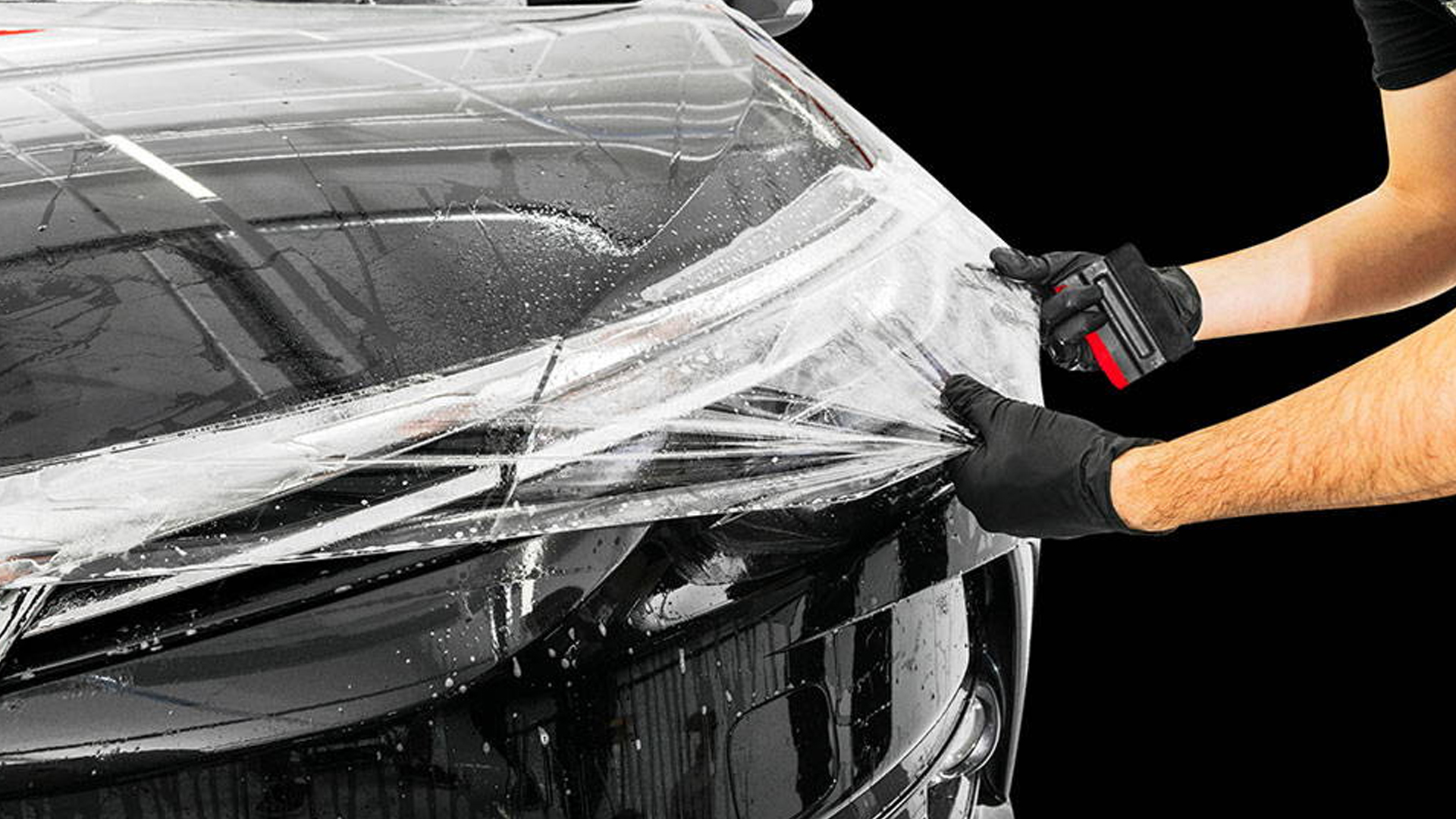
The biggest secret to long-lasting PPF is surprisingly simple. Consistency beats intensity.
You do not need obsessive detailing every weekend. You just need smart habits repeated regularly. Gentle washing, proper products, quick contaminant removal, and sensible parking choices go a long way.
Avoiding these seven mistakes after installing PPF can dramatically improve both appearance and longevity. Because honestly, there’s nothing sadder than premium protection ruined by impatience, harsh chemicals, or a suspiciously crusty towel from 2014.
11Final WordConclusion
Installing PPF is one of the best investments for preserving your car’s paint and maintaining resale value. But the installation itself is only half the journey. What truly determines the lifespan and performance of the film is how you treat it afterward.
From washing too early to neglecting regular maintenance, these common mistakes after installing PPF can slowly reduce the effectiveness of even the highest-quality film. Thankfully, most of these issues are easy to avoid with the right knowledge and a little consistency.
Following proper paint protection film care routines, using safe cleaning methods, and understanding basic PPF maintenance tips will help your vehicle stay glossy, protected, and road-trip-ready for years.
Your car survived potholes, traffic, bird attacks, and questionable parking lots. The least we can do is not sabotage the protection ourselves.
Frequently Asked Questions
Most professionals recommend waiting 5 to 7 days before the first wash. This allows the film adhesive to cure properly and prevents lifting, bubbling, or edge peeling.
Use a pH-neutral car shampoo, soft microfiber towels, and gentle hand-washing techniques for safe paint protection film care. Always mist the surface before wiping and avoid aggressive scrubbing.
Yes, especially brush-based systems. They may create scratches, weaken edges, or reduce film clarity over time. Touchless washes or hand washing are always the safer choice for PPF-coated vehicles.
Regular washing every 1 to 2 weeks is ideal for proper PPF maintenance. Additionally, schedule an annual professional inspection to catch any edge lifting or contamination early.
No. PPF significantly reduces scratches, chips, and environmental damage, but proper maintenance is still essential for long-term performance. Think of it as a strong shield that still needs care to keep it effective.
Protect Your Paint.
The Right Way.
Get professional PPF installation from D.A.D’s certified technicians — proper surface prep, clean application, and expert aftercare guidance included.