
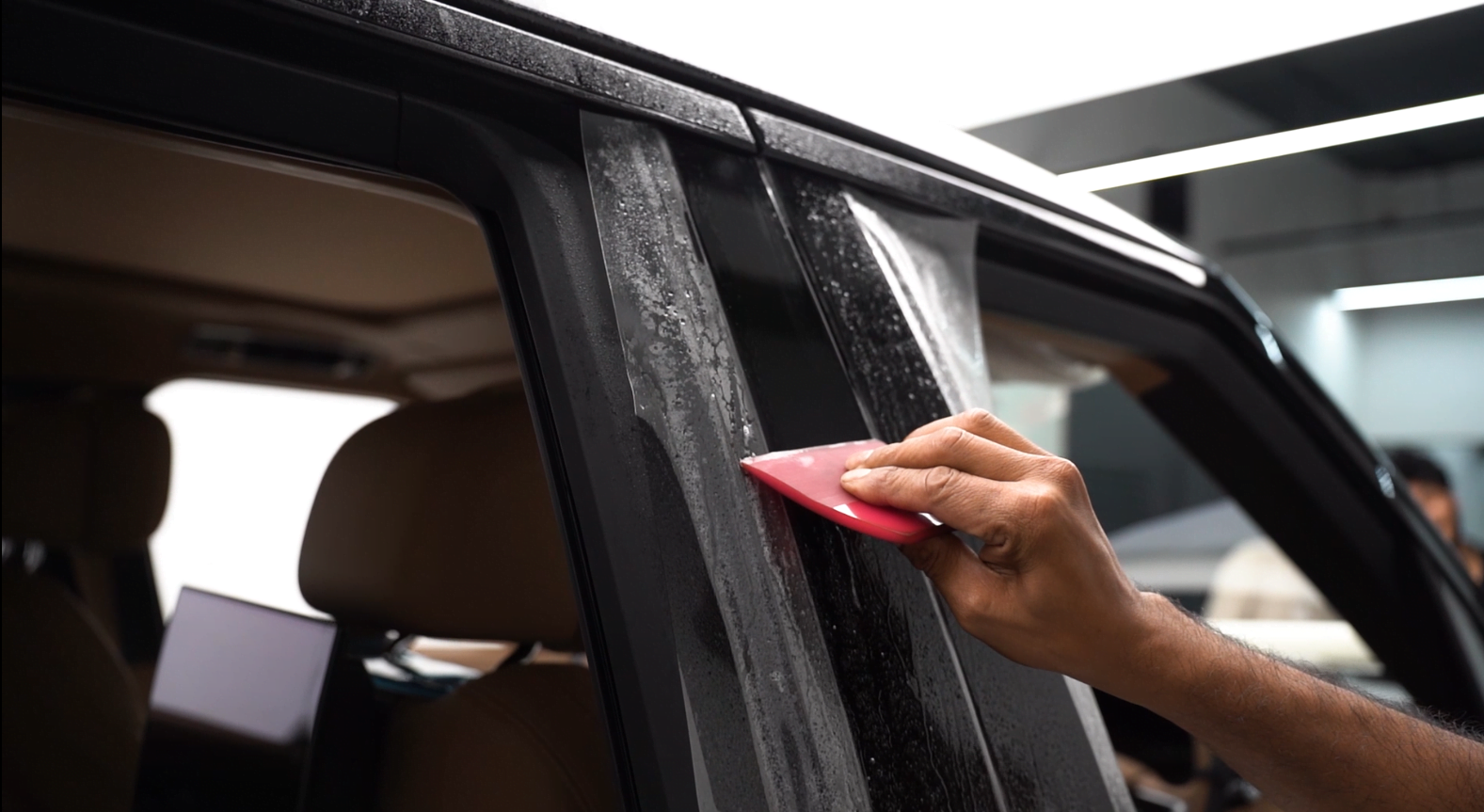
When shopping for Paint Protection Film (PPF), one question almost every car owner asks is, “How thick should it be?” It’s a fair question. After all, when it comes to winter jackets or mattresses, thicker often means better. But with PPF, the answer isn’t quite that straightforward.
The effectiveness of a Paint Protection Film depends on much more than its thickness. The quality of the material, the technology behind it, the installation process, and the intended use all play equally important roles.
Choosing the thickest film available without understanding its purpose is a little like buying hiking boots for a beach vacation, impressive, but not necessarily practical.
A reliable PPF thickness guide helps car owners understand how different films perform under real-world conditions. Whether you’re protecting a daily commuter, a luxury sedan, or a weekend sports car, selecting the right film ensures the ideal balance between durability, appearance, and long-term performance.
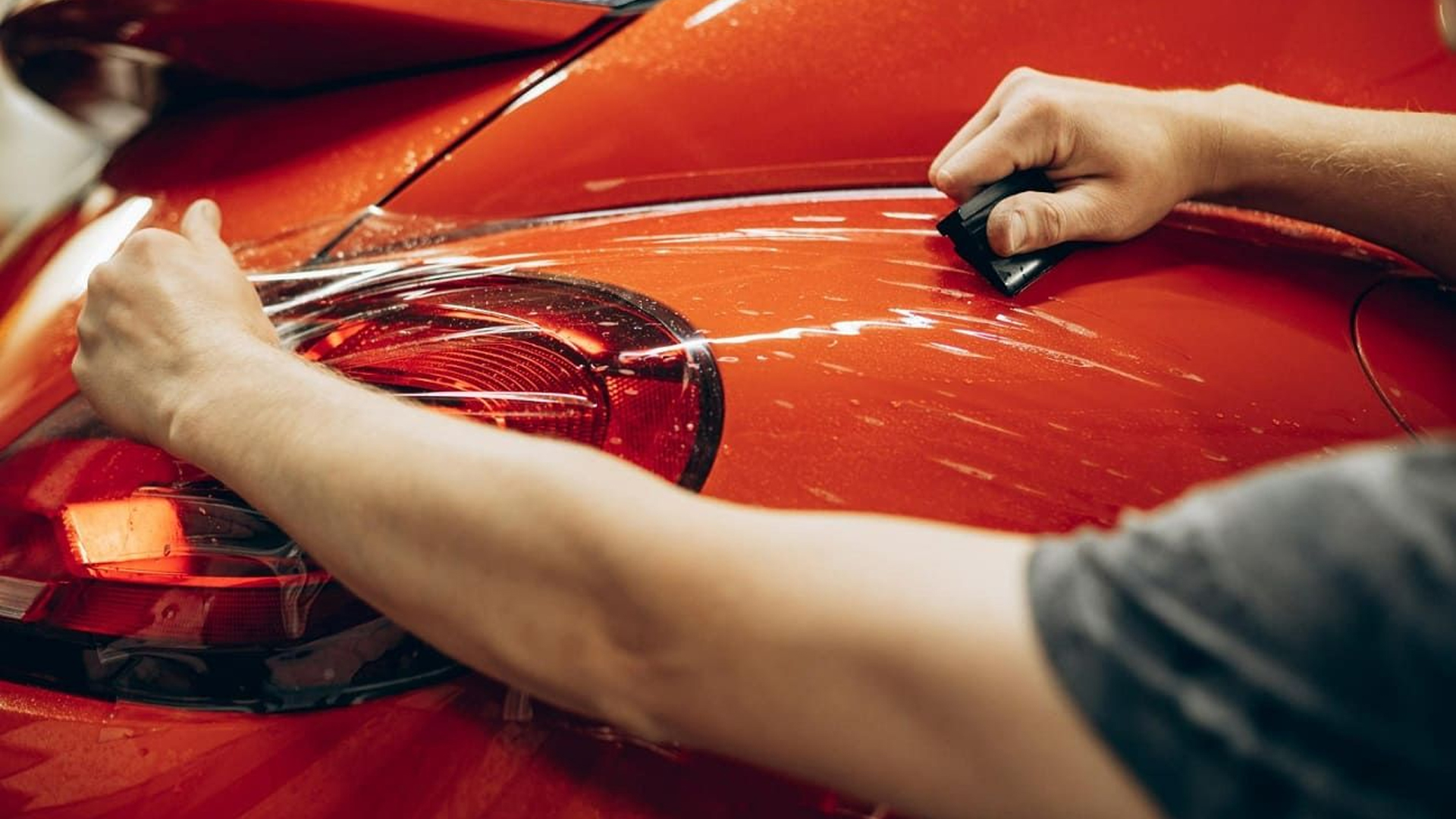
01The BasicsWhy Does PPF Thickness Matter?
Paint Protection Film acts as a transparent barrier between your vehicle’s paint and the hazards of everyday driving. Stone chips, road debris, minor scratches, insect residue, bird droppings, and UV exposure all take a toll on your car’s finish over time.
The thickness of the film contributes to its ability to absorb minor impacts before they reach the paint surface.
However, thicker doesn’t automatically mean better.
An Ideal Film Balances Several Important Characteristics
- Impact resistance
- Optical clarity
- Flexibility
- Self-healing performance
- Long-term durability
A well-engineered film of moderate thickness often performs better than a thicker film made from lower-quality materials.
This is why experienced installers focus on overall paint protection film quality rather than thickness alone.
02The MaterialWhy TPU PPF Has Become the Industry Standard
Modern Paint Protection Films are commonly manufactured using Thermoplastic Polyurethane, better known as TPU PPF.
This advanced material combines strength with flexibility, allowing the film to absorb everyday impacts while maintaining excellent clarity.
Some Advantages of TPU PPF Include
The film conforms smoothly to complex curves and body panels, creating a seamless appearance.
Many premium TPU films can reduce the appearance of minor surface scratches when exposed to heat.
High-quality TPU maintains the original colour and finish of the vehicle without creating a cloudy appearance.
TPU offers strong resistance against yellowing, cracking, and environmental ageing when properly maintained.
The material itself often influences performance more than a slight difference in thickness.
03Beyond ThicknessUnderstanding Paint Protection Film Quality
When comparing products, thickness is only one specification among many.
Several factors contribute to overall paint protection film quality.
A premium adhesive helps the film remain securely attached while allowing professional removal when required.
Advanced top coatings improve stain resistance and make routine cleaning easier.
High-quality films preserve the natural appearance of the original paint with minimal distortion.
Good films maintain their appearance despite prolonged exposure to sunlight, rain, dust, and changing temperatures.
Two films may have identical thicknesses yet perform very differently because of differences in materials and manufacturing standards.
It’s rather like comparing two books with the same number of pages, what matters is what’s inside.
04Choose Your FinishGloss PPF or Matte PPF: Which One Should You Choose?
Once you’ve selected a high-quality film, the next decision is its finish.
Both gloss PPF and matte PPF provide excellent protection, but they create very different visual effects.
Gloss PPF enhances shine while preserving the original factory finish. It is an excellent choice for owners who want their vehicle to maintain a freshly polished appearance.
Matte PPF produces a satin-like finish that creates a sophisticated, understated look. It is particularly popular among enthusiasts seeking a distinctive appearance while enjoying the same protective benefits.
The choice between gloss and matte is primarily aesthetic. Both can offer outstanding protection when manufactured from high-quality TPU and installed professionally.
05Match Your LifestyleChoosing the Right Thickness for Your Driving Needs
Not every vehicle faces the same driving conditions, which is why there isn’t a universal answer to the ideal Paint Protection Film thickness. The best choice depends on how and where you use your car.
Think of it this way: a car that spends most of its time in city traffic experiences different challenges than one regularly cruising on highways or tackling long road trips.
Here Are a Few Factors to Consider
Urban roads expose vehicles to light scratches, parking mishaps, road dust, and occasional stone chips. A high-quality TPU PPF with balanced thickness is usually more than sufficient to protect against these everyday hazards.
Highway driving increases exposure to gravel, loose debris, and insects striking the front of the vehicle at higher speeds. Choosing a premium film designed for enhanced impact resistance can offer greater peace of mind.
Owners of premium vehicles often prioritise long-term paint preservation. Investing in superior paint protection film quality helps maintain the vehicle’s appearance and resale value while protecting delicate factory finishes.
Vehicles regularly exposed to intense sunlight, heavy rainfall, or dusty environments benefit from durable films with strong UV resistance and weather protection.
The right film isn’t necessarily the thickest one, it’s the one that suits your driving habits best.
06Setting The Record StraightCommon Myths About PPF Thickness
Because thickness is easy to measure, it’s also easy to misunderstand. Let’s clear up a few common misconceptions.
- Myth 1: Thicker always means better protection. Not necessarily — a well-engineered TPU film with advanced coatings can outperform a thicker film made from inferior materials.
- Myth 2: Thick films are easier to notice. Modern premium films are designed to remain nearly invisible after professional installation, regardless of minor differences in thickness.
- Myth 3: Gloss PPF protects better than matte PPF. Protection depends on the material and manufacturing quality, not whether the finish is glossy or matte.
- Myth 4: All Paint Protection Films are the same. Films vary significantly in material composition, self-healing technology, adhesive quality, UV resistance, and warranty coverage.
Comparing products based solely on thickness is like judging a smartphone by its weight. It may tell you something, but certainly not everything.
07The ChecklistYour Complete Car Protection Guide
Selecting the right Paint Protection Film becomes much easier when you focus on the complete package rather than one specification.
Before Making a Decision, Consider
- The quality of the TPU material
- Self-healing technology
- Optical clarity
- UV and stain resistance
- Professional installation standards
- Manufacturer warranty
- Whether you prefer gloss PPF or matte PPF
A balanced approach ensures your investment delivers lasting protection and excellent appearance for years to come.
A dependable PPF thickness guide helps car owners make informed decisions based on real driving conditions rather than marketing claims.
08Final WordConclusion
Choosing the right Paint Protection Film involves much more than comparing thickness specifications. While thickness contributes to impact resistance, it is only one piece of a much larger picture. Material quality, manufacturing technology, self-healing capability, optical clarity, and professional installation all work together to determine how effectively a film protects your vehicle.
A dependable PPF thickness guide helps car owners make informed decisions based on real driving conditions rather than marketing claims.
Whether you prefer the brilliant finish of gloss PPF or the sophisticated appearance of matte PPF, selecting a high-quality TPU PPF ensures your vehicle receives lasting protection without compromising its appearance.
In the end, the goal isn’t simply to choose the thickest film available. It’s to choose the smartest protection for your car. After all, your vehicle deserves a shield that’s built for the road ahead, not just an impressive number on a product brochure.
For personalised advice on the right film for your vehicle, explore Downtown Auto Detail’s PPF services or browse our car detailing services for complete protection.
FAQs
PPF thickness contributes to impact resistance and paint protection, but overall performance also depends on material quality, self-healing technology, coatings, and professional installation.
TPU PPF is Paint Protection Film made from Thermoplastic Polyurethane, a flexible and durable material known for excellent clarity, impact resistance, and self-healing properties.
No. A premium-quality film with advanced materials often performs better than a thicker film made from lower-quality components.
Consider paint protection film quality, TPU material, warranty, self-healing technology, UV resistance, optical clarity, adhesive performance, and installation expertise.
Choose gloss PPF if you want to maintain a shiny factory finish. Matte PPF is ideal for achieving a sophisticated satin appearance while providing the same level of protection.
Choose The Right Film
For Your Car.
From TPU film selection to gloss or matte finishes, Downtown Auto Detail helps you pick the smartest protection for your vehicle.